February 1, 2020
Best times to post on social media
A question that we constantly get asked..."when is the best time to post on social media?"
Below is an industry guide that hootsuite has published in the past. We mostly agree with the information gathered but, warn that depending on the nature of the post, along with the target audience, these days and times could vary.
For example, a B2B (Business to Business) client of ours has the best success posting between 1 pm and 3 pm on Linkedin. On Friday the best time to post is 10:30 am.
Another example, a B2C (Business to Customer) client in the outdoor recreation industry, has the best success on postings that hit early Saturday morning or early evening throughout the week.
Facebook:
- The best time to post on Facebook for B2B is between 9 a.m. and 2 p.m. EST on Tuesday, Wednesday, or Thursday.
- The best time to post on Facebook is 12 p.m. EST on Monday, Tuesday, or Wednesday.
Linkedin:
- The best time to post on LinkedIn is 7:45 a.m., 10:45 a.m., 12:45 p.m., and 5:45 p.m. EST.
- The best day for B2B brands to post on LinkedIn is Wednesday (followed by Tuesday).
- The best days for B2C brands to post on LinkedIn are Monday and Wednesday.
Twitter:
- The best time to post on Twitter for B2B is between 9 a.m. and 4 p.m. EST on Monday or Thursday, with emphasis on the 11 a.m. to 1 p.m. EST window.
- The best time to post on Twitter for B2C is at 12 p.m. or 1 p.m. EST from Monday to Wednesday.

Every major technological shift in marketing comes with a familiar narrative: this time, everything changes. AI is no exception. Headlines warn of automation replacing creativity, algorithms replacing intuition, and machines replacing marketers altogether. But that framing misses the point. AI is not dismantling marketing. It is redesigning it. Yes, the mechanics will keep changing. Tools will evolve. Platforms will rise and fall. Workflows that once took weeks now take minutes. But the essence of marketing remains profoundly human. At its core, marketing has always been about understanding needs, building trust, and translating complexity into connection. No model, no matter how advanced, can replace that mandate. What AI does change is the surface area of possibility. In media and entertainment—as in every industry experiencing technological shock—the most successful marketers will not be those who cling to legacy methods or defensively guard old roles. They will be the ones who embrace reinvention as a creative act. AI becomes less a threat and more a collaborator: accelerating insight, expanding experimentation, and freeing human talent to focus on judgment, storytelling, and meaning. The real shift isn’t in what we produce. It’s in how we think. Marketing is moving away from linear execution and toward orchestration. The future marketer will be part strategist, part technologist, and part conductor—aligning data, tools, talent, and narrative into a cohesive whole. This role isn’t about mastering every platform or writing every line of copy. It’s about setting direction, asking better questions, and ensuring that intelligence—human and artificial—works in harmony. In that sense, AI doesn’t make marketing less human. It demands that we become more human where it matters most. Empathy. Taste. Ethics. Context. Creativity. These are not features you can automate. They are the differentiators that grow more valuable as technology becomes more powerful. Marketing isn’t being replaced. It’s being redesigned—into a function finally as intelligent, adaptive, and imaginative as the tools it now uses.

Political consulting is essential for local campaigns to enhance their effectiveness and reach. Here are key reasons why: Strategic Planning Consultants help develop a clear campaign strategy, identifying target demographics and key issues. They assist in setting realistic goals and timelines for campaign activities. Fundraising Expertise Political consultants often have experience in fundraising techniques and can help secure financial support. They can create fundraising plans and identify potential donors. Message Development Consultants aid in crafting a compelling campaign message that resonates with voters. They ensure consistency in messaging across various platforms. Voter Outreach Consultants design and implement voter outreach strategies, including canvassing and phone banking. They utilize data analytics to identify and engage potential supporters effectively. Media Relations Political consultants manage media relations, helping to secure coverage and manage public perception. They advise on advertising strategies, including digital and traditional media. Crisis Management In the event of controversies or negative press, consultants provide strategies for damage control. They help maintain a positive public image throughout the campaign. Utilizing political consulting can significantly improve a local campaign's chances of success by leveraging expertise in various critical areas.
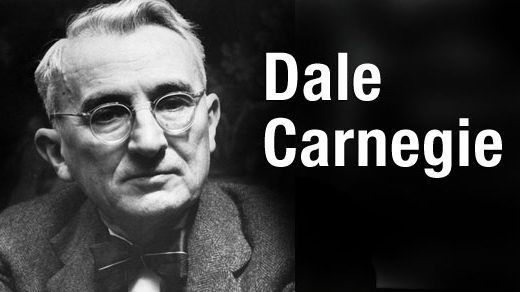
1. The Futility of Worry: The book emphasizes the pointlessness of worry. Worrying doesn't change the past or predict the future, it simply steals your joy from the present moment. Carnegie encourages you to focus your energy on what you can control – your thoughts, actions, and reactions. 2. Living in the "Now": The book highlights the importance of living in the present moment. Instead of dwelling on the past or fretting about the future, cultivate the habit of focusing on the task at hand and enjoying the simple pleasures of everyday life. 3. The "Eight Words" That Can Change Your Life: Carnegie introduces a powerful formula: "Ask yourself if it is the worst that can possibly happen. Then prepare to accept it. Then calmly proceed to improve on the worst." By mentally preparing for the worst-case scenario, you can significantly reduce your anxiety and approach challenges with greater composure. 4. The High Cost of Getting Even: Holding onto grudges and seeking revenge only fuels negativity and hinders your emotional well-being. The book encourages forgiveness and letting go of past hurts to create space for peace and happiness. 5. Would You Take a Million Dollars for What You Have?: Carnegie suggests a gratitude exercise. Consider all the good things in your life, even the small ones. Shift your focus from what you lack to the blessings you already possess, fostering a sense of contentment and appreciation. 6. The "Busy Cure" for Worry: Idleness allows your mind to wander and dwell on negative thoughts. The book emphasizes the power of keeping yourself busy with productive activities that leave little room for worry. 7. Decision: The Antidote to Indecision: Indecision breeds anxiety. The book encourages you to make decisions, even if they're not perfect. Taking action, even if it leads to a course correction later, is better than staying paralyzed by indecision. 8. Cooperation, Not Competition: Comparing yourself to others is a recipe for misery. Focus on your own journey and celebrate your personal growth. The book promotes cooperation and collaboration over competition, fostering a more positive and supportive environment. 9. The Power of Positive Self-Talk: Your inner critic can be your worst enemy. The book highlights the importance of replacing negative self-talk with positive affirmations. Focus on your strengths and capabilities to boost your confidence and self-esteem. 10. Get Enough Sleep!: Chronic fatigue can exacerbate worry. The book emphasizes the importance of getting enough quality sleep for optimal mental and emotional well-being. A well-rested mind is better equipped to handle challenges and navigate stressful situations.